
Hawaii Travel
Top Hawaii Activities Beyond the Beach and How to Choose
Hawaii’s beaches may be the most familiar part of an island vacation, but they represent only one part of the experience. Volcanic landscapes, cultural and historical places, working farms, forests, wildlife, regional food, and scenic routes can reveal entirely different sides of the islands.
The most worthwhile activities depend on which island you visit, the season, current conditions, your physical comfort, and what you hope to understand or experience while you are there.
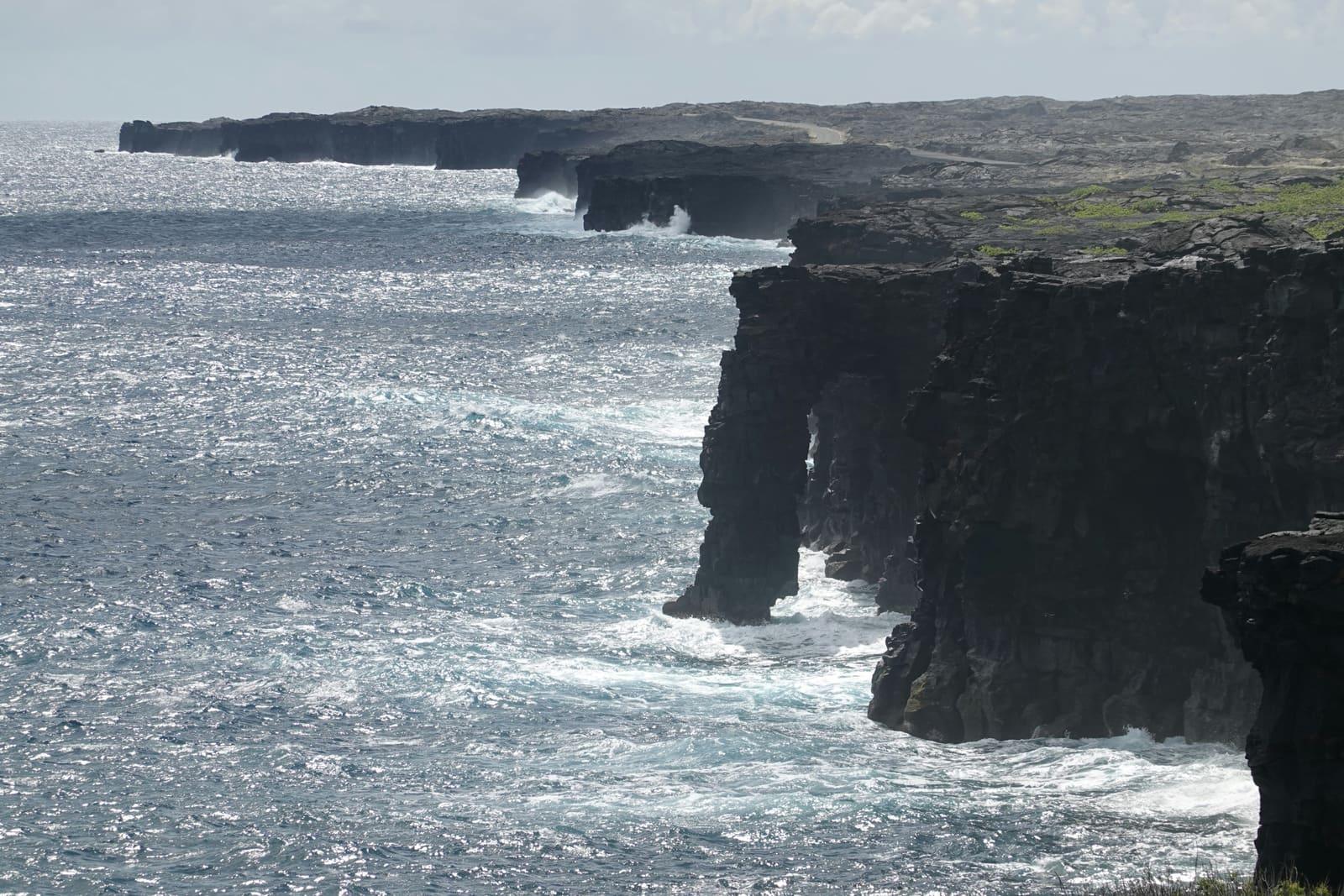
Hawaii Offers More Than a Beach Vacation
A Hawaii vacation does not need to revolve entirely around beaches, pools, and resort time. Each island offers opportunities to explore its geology, history, food, communities, ecosystems, and changing landscapes.
Travelers might walk through a volcanic environment, visit a cultural or historical site, tour a working farm, hike through a forest, learn about native plants, observe seasonal wildlife, or spend time in a neighborhood away from the resort areas.
These experiences can add greater context to a trip, but more activities do not automatically create a better itinerary. Driving times, weather, reservations, elevation, physical demands, and the location of your accommodations all affect what fits comfortably.
The goal is not to fill every day. It is to choose a few experiences that help you understand the particular island you are visiting.
Begin With the Island, Not the Activity List
Hawaii is not one interchangeable destination. The islands differ in geography, transportation, development, climate, cultural resources, and the experiences available to visitors.
An activity that belongs naturally in a Hawaii Island itinerary may require too much travel time or may not exist on another island. Even familiar categories such as hiking, farm visits, wildlife viewing, and cultural experiences take different forms depending on where you stay.
Before creating an activity list, consider:
- Which island or islands are you visiting?
- Where will you be staying on each island?
- How much driving are you comfortable doing?
- Do you prefer structured tours or independent exploration?
- Are you interested primarily in culture, food, geology, wildlife, or outdoor activity?
- What physical conditions, elevations, or terrain are comfortable for you?
- How much unscheduled time do you want to preserve?
Choosing the island first helps prevent an itinerary built from appealing but geographically incompatible recommendations. It also makes it easier to select activities that reflect the actual place rather than a generic idea of Hawaii.
Top Hawaii Activities Beyond the Beach
The strongest activities are not necessarily the most dramatic or widely promoted. They are the ones that fit the island, current conditions, and your reasons for traveling.
Explore Volcanic Landscapes
Volcanic landscapes help explain how the Hawaiian Islands were formed and how they continue to change. Depending on the island, travelers may encounter craters, lava fields, steam vents, volcanic rock formations, or landscapes gradually recovering from past eruptions.
Hawaii Island offers the most extensive opportunities to learn about active volcanic processes, particularly through Hawaiʻi Volcanoes National Park. Volcanic activity, visibility, air quality, road access, and trail conditions can change, so an itinerary should never depend on seeing flowing lava.
Use official park and emergency information when planning. Stay within designated areas, follow closures, and avoid treating volcanic activity as a guaranteed attraction.
Learn Through Cultural and Historical Places
Museums, historic sites, cultural centers, guided walks, and community-based programs can provide more meaningful context than entertainment alone.
A commercial luau may be enjoyable, but it should not be treated as a complete introduction to Native Hawaiian history or culture. Programs vary in purpose and may include traditions from several Polynesian cultures. Understanding what is being presented, who is presenting it, and how the experience supports local cultural stewardship can help travelers choose more thoughtfully.
Approach culturally significant places with humility. Follow posted guidance, respect restricted areas, and remember that many locations remain important to the people who live there.
Visit Farms and Experience Regional Food
Agriculture offers another way to understand Hawaii’s geography and communities. Depending on the island and region, visitors may find coffee farms, cacao producers, botanical gardens, ranches, fruit farms, or other agricultural experiences.
A guided visit can explain how elevation, rainfall, soil, labor, and local history influence what is grown. It can also help travelers distinguish between a working farm and an attraction created primarily for visitors.
Farm access, tours, harvest cycles, and tastings vary. Confirm reservations, walking conditions, and what the visit actually includes before building it into the day.
Hike Through Forests, Valleys, and Changing Terrain
Hiking in Hawaii can include coastal paths, rainforests, volcanic terrain, ridgelines, and high-elevation environments. Trail length alone does not describe the difficulty.
Heat, humidity, mud, steep grades, uneven surfaces, stream crossings, limited shade, and rapid weather changes can make a short trail more demanding than expected. Some routes cross culturally sensitive areas or private property and should not be accessed simply because directions appear online.
Choose legal, maintained routes that match your experience and physical comfort. Check current conditions and closures, carry appropriate water and footwear, and be willing to change plans when conditions are unsuitable.
Observe Wildlife Responsibly
Seasonal whale watching, birding, and opportunities to observe marine life can be meaningful parts of a Hawaii itinerary. Wildlife sightings, however, are never guaranteed.
Choose operators and viewing practices that respect required distances and avoid pursuing, touching, feeding, or disturbing animals. Conditions, seasons, and the species commonly seen vary by island and location.
The quality of a wildlife experience should not be measured only by how close an animal comes. Responsible observation protects both the wildlife and the environments travelers came to experience.
Experience Hawaii From the Air or Scenic Viewpoints
Helicopter tours and scenic flights can provide access to perspectives that are difficult to see from the ground, particularly in areas with limited road access. They also introduce practical considerations involving weather, visibility, motion sensitivity, noise, physical access, and cost.
Travelers who prefer to remain on the ground may find scenic drives, overlooks, boat excursions, or guided routes that provide a broader sense of the landscape.
No aerial or scenic experience is guaranteed to operate as scheduled. Weather and safety decisions should take priority over completing the original plan.
Different Islands Create Different Opportunities
Each island can support a varied itinerary, but their strongest experiences are not identical. These distinctions can help travelers decide where an activity fits most naturally.
Hawaii Island
Hawaii Island offers extensive geological variety, from volcanic landscapes and high elevations to ranch country, rainforests, and agricultural regions.
Travelers may explore Hawaiʻi Volcanoes National Park, visit Kona coffee or cacao farms, learn at cultural and historical sites, observe seasonal wildlife, or experience landscapes that change considerably across the island.
Its size is an important planning factor. Activities that appear close on a map may require substantial driving, and conditions can differ sharply between regions. Choosing the right home base, or using more than one, can reduce unnecessary backtracking.
Maui
Maui can combine scenic driving, agricultural experiences, cultural and historical places, hiking, seasonal whale watching, and time in distinct communities.
Some of its most popular routes involve narrow roads, changing weather, limited services, and longer drive times than travelers expect. Reservations or advance planning may also be required for certain parks and high-demand experiences.
Plans should reflect current access conditions and the needs of local communities. Avoid treating areas recovering from wildfire or other disruption as sightseeing attractions.
Oahu
Oahu combines Hawaii’s largest urban center with museums, historic places, food neighborhoods, botanical landscapes, hiking routes, and cultural institutions.
The island’s compact appearance can be misleading. Traffic, parking, reservation requirements, and the distance between Honolulu and other regions can affect how much belongs in one day.
Oahu can be especially rewarding for travelers interested in understanding Hawaii through history, food, contemporary communities, and cultural context rather than scenery alone.
Kauai
Kauai is known for dramatic valleys, forests, gardens, hiking, scenic overlooks, rivers, and areas that are difficult or impossible to reach by road.
Weather can change access quickly, particularly on trails, rural roads, and ocean-based excursions. Some of the island’s most recognized landscapes require advance reservations, permits, boat access, or a flight rather than casual arrival.
A successful Kauai itinerary usually benefits from flexibility. Leave room for changing conditions instead of depending on every outdoor activity operating exactly as planned.
Season, Weather, and Conditions Matter
Hawaii can be visited throughout the year, but individual activities are affected by season, elevation, rainfall, ocean conditions, wildlife patterns, and local weather.
Conditions can vary significantly within the same island. A resort area may be sunny while a trail, summit, or windward region is experiencing rain, clouds, strong wind, or limited visibility. High-elevation environments can also be much colder than travelers expect from a tropical destination.
Seasonal considerations may affect:
- Whale-watching opportunities
- Trail conditions and waterfall flow
- Ocean and boat excursions
- Visibility for scenic flights and overlooks
- Road access
- Farm tours and harvest-related experiences
- Park reservations, permits, and visitor demand
Check official information close to the activity date rather than relying only on conditions described when the trip was booked.
A flexible itinerary is particularly valuable in Hawaii. When weather or access changes, a well-planned trip should have alternatives that do not require crossing the entire island or ignoring safety guidance.
Plan With Safety, Access, and Respect in Mind
An activity can look straightforward online while involving conditions that are difficult to judge from photographs or a brief description.
Before reserving or attempting an experience, consider the terrain, elevation, heat, humidity, water conditions, transportation, restroom access, available shade, and distance from medical services. Ask whether the activity requires stairs, climbing, entering or exiting a boat, prolonged standing, or walking on uneven surfaces.
Respect also extends beyond physical safety.
Remain on legal trails and public access routes. Follow closures and posted guidance. Do not enter private property, restricted cultural sites, or hazardous areas because a social media post identifies them as hidden locations. Avoid touching wildlife, removing rocks or plants, stacking stones, or leaving items behind.
When visiting communities, farms, cultural places, and locally operated businesses, remember that these are not simply backdrops for a vacation. Thoughtful travelers observe local expectations, learn how places should be experienced, and adjust their behavior accordingly.
Good planning should make an experience both enjoyable for the traveler and respectful of the place that makes it possible.
Questions to Ask Before Choosing Activities
Before adding an activity to your Hawaii itinerary, ask:
- Is this experience available on the island I am visiting?
- How far is it from my accommodations?
- What season or conditions make it most appropriate?
- Does it require a reservation, permit, guide, or advance ticket?
- How physically demanding is it beyond the advertised duration or distance?
- Are elevation, heat, humidity, stairs, uneven terrain, or water access involved?
- Is the experience appropriate for every traveler in the group?
- What happens if weather or access changes?
- Does the operator follow responsible wildlife, environmental, and cultural practices?
- Is the location legal and appropriate for visitors to enter?
- What will this experience help me understand about the island?
- Does it fit the pace of the rest of the trip?
These questions help distinguish an appealing activity from one that genuinely belongs in your itinerary. They also make it easier to identify when a highly promoted experience may not be the right fit.
Build a Hawaii Experience That Fits the Traveler
Hawaii offers far more than a single type of vacation. Volcanic landscapes, cultural and historical places, farms, forests, wildlife, scenic routes, and regional food can each provide a different way to experience the islands.
The right combination depends on where you are staying, how much travel time you want to use, the conditions during your visit, and what interests the people taking the trip.
Choose fewer activities with greater intention. Leave room for weather, rest, and the unexpected. Most importantly, approach each place as somewhere to understand and respect, not simply another attraction to complete.
A thoughtful Hawaii itinerary moves beyond a checklist. It helps travelers experience the island they are actually visiting.
Related Reading
Thoughtful Hawaii planning begins with understanding how the islands, accommodations, transportation, activities, timing, and pace work together.
Hawaii Travel Planning
Learn how to choose the right island, resort area, trip structure, and combination of experiences for your Hawaii vacation.
Explore Hawaii Travel PlanningSoft Adventure Travel Ideas
Explore how activity level, terrain, comfort, pacing, and support can shape an active trip without turning it into an endurance challenge.
Explore Soft Adventure Travel IdeasStart Planning
Plan a Hawaii Trip With Greater Context
A rewarding Hawaii itinerary should reflect the island, the traveler, and the conditions during the visit. TravelAdvisorNak can help you compare islands, understand activity tradeoffs, and create a plan that balances exploration, comfort, timing, and respect for the places you visit.